%%{init: {"flowchart": {"htmlLabels": false}}}%%
flowchart LR
    KNOW[Conocimiento]
    DISC[🔬 Disciplinaria<br/>Conocimiento disciplinario]
    THEM[🎯 Temática<br/>Conocimiento de la materia]
    PROB[🛠️ Basada en problemas<br/>Resolución de problemas]
    USE[Uso]

    KNOW --> DISC
    KNOW --> THEM
    KNOW --> PROB
    DISC -.fundamenta.-> THEM
    THEM -.aplica a.-> PROB
    PROB --> USE

    style DISC fill:#e3f2fd
    style THEM fill:#fff3cd
    style PROB fill:#c8e6c9
Studio de Investigación Aumentada
Sesión 1 · Método económico, qué es investigar, tipos de investigación y política IA²
Juan Carlos Muñoz-Mora, PhD
Universidad EAFIT · Escuela de Finanzas, Economía y Gobierno
9 de noviembre de 2026
Tú eres el investigador.
La IA es tu palanca.
Sin ti no hay investigación.
⌨️ Cómo navegar estos slides
Atajos de teclado · útiles si proyectás o si estudiás desde aquí
| Tecla | Acción |
|---|---|
| F | Fullscreen ⬛ |
| Esc | Salir de fullscreen / vista overview |
| O | Overview de todas las diapositivas |
| S | Speaker notes (otra ventana) |
| B o . | Pizarra negra / blanca |
| ? | Ver todos los atajos |
| Tecla | Acción |
|---|---|
| ← → | Avanzar / retroceder |
| ↑ ↓ | Subir / bajar (sub-slides) |
| N | Siguiente fragmento |
| M | Menú lateral |
| C | Cursor lápiz |
| A | Animaciones |
Consejo
Para presentar en aula: abrí en navegador → presioná F → ya estás en fullscreen reveal.js con todos los features (chalkboard, menú, overview, notas).
EC0744 · ¿Qué hacemos en estas dos semanas?
Construimos juntos una propuesta de tesis defendible.
- En 8 sesiones · 32 h · 6 presenciales y 2 online · 9–21 de noviembre de 2026.
- Con IA al lado — no por IA.
- En un repo Quarto público que es tu portfolio.
- Con audit log que demuestra trazabilidad humana.
El producto del curso
- Propuesta de tesis (Hito 4 · 35%)
- Repo Quarto público
- AIAS declarado en cada hito
- Compromiso firmado a 6 meses
Apertura
Pacto pedagógico · contacto · cómo funciona la sesión
El profesor
Apertura · pacto pedagógico EAFIT
Juan Carlos Muñoz-Mora, PhD
Escuela de Finanzas, Economía y Gobierno · EAFIT
📧 jmunozm1@eafit.edu.co — único canal formal
🗓️ Asesorías: agendar por email · respuesta < 48h hábiles 📍 Bloque 26 · oficina 411
Advertencia
WhatsApp no es canal del curso. Para asuntos formales, siempre email institucional.
El compromiso — método EAFIT
Pacto pedagógico · protocolo Primer día de clases
- Establecemos compromisos mutuos hoy.
- Comunicación: correo institucional + Interactiva (anuncios y entregas).
- Cómo resolvemos conflictos: primero conversación, luego director de programa.
- Aprendizaje experiencial: ustedes construyen, yo acompaño.
Consejo
El acuerdo de hoy: llegada puntual · cámaras en remoto · respeto por turnos · honestidad sobre uso de IA (declarar, no ocultar). Si rompemos esto, lo conversamos en clase.
Adaptado de EAFIT — Primer día de clases
La metodología de hoy — sprints de aprendizaje
Apertura · 5 min · diseño de la sesión
4 horas en 3 sprints + cierre. Cada sprint mezcla exposición, actividad y descanso.
| Bloque | Min | Estructura | Hora |
|---|---|---|---|
| Apertura | 20 | Pacto + sprints + framing | 18:00 |
| 🏃 Sprint 1 · Método económico | 50 | 35 JC + 15 actividad | 18:20 |
| ☕ Break | 15 | 19:10 | |
| 🏃 Sprint 2 · ¿Qué es investigación? | 50 | 35 actividad + 15 JC | 19:25 |
| ☕ Break | 10 | 20:15 | |
| 🏃 Sprint 3 · Tipos de investigación | 50 | 35 JC + 15 actividad | 20:25 |
| ⚓ Ancla IA² | 10 | Engelbart → evidencia 2026 | 21:15 |
| Cierre · Ética + AIAS + política + tu tema | 35 | 15 JC + 20 actividad | 21:25 |
Tu lista de chequeo: computador · cuenta GitHub · Claude o ChatGPT activo · una idea (vaga) de tema de tesis.
🏃 Sprint 1 — Método económico en la era de la IA
35 min JC · 15 min actividad
La pregunta de 1843 (que aún nos persigue)
JC · 8 min · anclaje histórico
John Stuart Mill publica en 1843 A System of Logic — el libro que define qué es el método económico para los siguientes 150 años.
“Las premisas de la economía se obtienen por introspección y observación casual. La verificación empírica solo delimita el campo de aplicación, no evalúa la validez.”
— Mill 1843 (parafraseado por Blaug 1992, Cap. 3)
Tres ideas de Mill que aún están vivas:
- Inducción como motor de la ciencia (los datos hablan)
- Método deductivo concreto para ciencias sociales (premisas → deducción → verificación delimitada)
- Leyes de tendencia con cláusula ceteris paribus
El problema de Mill (visto hoy)
- ¿Quién garantiza la introspección?
- ¿Quién especifica el ceteris paribus?
- Si la teoría siempre “se aplica donde se aplica”, ¿es refutable?
El giro popperiano (1934) — el método como lo entendemos hoy
JC · 7 min
Karl Popper invierte la lógica:
“No podemos verificar una teoría. Solo podemos falsarla. Una teoría es científica si prohíbe observaciones.”
— Popper 1934, Logik der Forschung
El modelo hipotético-deductivo (Hempel-Oppenheim 1948): - Ley general + condiciones iniciales → predicción - Si la predicción falla → revisar - Explicar y predecir son la misma operación lógica
Aplicado a tu tesis
Una buena hipótesis cumple 3 condiciones:
- Direccional: predice signo o magnitud (+/−/X)
- Operacionalizable: variables medibles
- Falsable: podés decir qué dato la rechazaría
Si no podés escribir “se rechaza H1 si…”, no es hipótesis — es retórica.
[Blaug (1992) Cap. 1; fichas de Blaug]
Consejo
Lectura ancla: ficha fichas/01_Blaug_Cap1_IdeasDePopper.md · podcast Ep 0.5.
¿Y Friedman 1953? — la trampa del instrumentalismo
JC · 7 min · debate metodológico vivo
Milton Friedman publica el ensayo más citado y peor entendido del siglo XX:
“El realismo de los supuestos no importa, lo que importa es que las predicciones funcionen.”
— Friedman 1953
Esto se llama instrumentalismo. Y es, palabra por palabra, el argumento que escuchás hoy:
“Pero ChatGPT funciona en la práctica.”
Advertencia
Funcionar ≠ ser científico. Friedman habría aprobado usar IA como “caja negra que predice”. Popper habría exigido que sus predicciones sean falsables y falsadas. Tu director de tesis preferirá a Popper.
Las 5 tipologías de supuestos (Machlup)
| Tipo | ¿Contrastable? |
|---|---|
| Heurístico (maximización utilidad) | NO |
| Postulado básico | NO |
| Ficción útil (agente representativo) | NO |
| Regla de procedimiento (CP) | NO |
| Condición inicial | SÍ |
Cuando la IA te dice “controlando por las variables relevantes”, ¿qué tipo de supuesto está usando?
(Blaug, 1992, 4 · ficha fichas/04_Blaug_Cap4_Falsacionistas.md)
El método económico en la era IA — síntesis
JC · 8 min · cierre del bloque expositivo
El método económico clásico (1843–2020)
- Pregunta investigable (Mill, Popper)
- Hipótesis falsable con dirección esperada
- Identificación causal (RCT, IV, DiD, RDD, SC)
- Datos + análisis transparente
- Refutación o corroboración explícita
- Replicabilidad documentada
→ Esto NO cambia con IA. Es el oficio.
Lo que cambia (2020–…)
- Generación de hipótesis asistida ((Ludwig & Mullainathan, 2024))
- Revisión de literatura acelerada (Elicit, Connected Papers)
- Codificación en pair-programming (Copilot)
- Visualización y comunicación
- LLMs como datos ((Ludwig et al., 2025))
→ La IA es palanca de las 6 etapas, no las reemplaza.
Decisión del investigador: ¿En cuál de las 6 etapas la IA me aumenta sin que pierda agencia?
🎯 Actividad 1 — Mi pregunta a la luz del método (15 min)
Actividad individual + pares · 15 min
Individual (8 min) — sin IA, papel y lápiz:
- Escribí en una hoja tu situación problemática (1 párrafo, máximo 5 líneas).
- Bajo ella: una pregunta candidata (verbo + objeto + contexto).
- Bajo la pregunta: una hipótesis con dirección esperada (+/−/X) Y el criterio de falsación: “Se rechaza si ___”
En pares (5 min) — speed crítica: - Dos parejas. Cada uno presenta en 90 seg y el otro busca el supuesto Mill / Friedman / Popper que el primero está haciendo (a veces sin saberlo).
Plenaria (2 min): cada pareja dice en una frase dónde cojeaba una de sus preguntas.
Producto verificable
Modo AIAS: 1 · sin IA
Advertencia
Trampa común: la hipótesis sin dirección (“X afecta Y”) no es falsable. Tiene que decir + o −.
☕ Break · 15 min
19:10 a 19:25 · salí del aula · movete · agua
🏃 Sprint 2 — ¿Qué es entonces la investigación económica?
35 min actividad · 15 min JC
🎯 Actividad 2 — Primer examen sin previo aviso (35 min)
Actividad colectiva · 35 min · activación con 5 noticias
5 noticias proyectadas, dos parejas:
Cada noticia plantea una situación real del momento. Para cada una, la pregunta es la misma:
¿Es esta una noticia de interés en Economía? ¿Por qué sí o por qué no?
6 min por noticia → cada pareja vota las 5 (30 min) + cierre plenario.
Cierre plenario (5 min): - ¿Qué noticia provocó más disenso? - ¿Qué rasgo hace que algo sea “económico”?
Esta dinámica es la que abre cada Clase 0 del Seminario desde 2020.
Por qué empezar así
Antes de definir “investigación económica” en abstracto, ustedes votan en casos reales y derivan las características en común.
Es inducción dirigida — irónicamente, lo que Mill recomendaba.
Producto
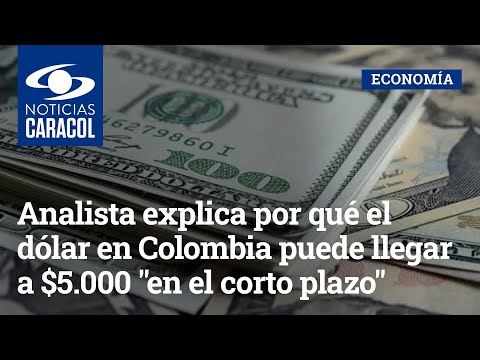
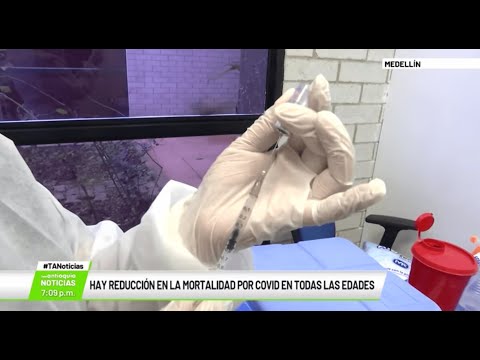
Las 5 noticias · ¿son noticias económicas?
Advertencia
Para cada noticia, la pareja registra: ✅ sí / ❌ no / 🤔 depende · y 2 razones que justifican el voto. Click en cualquier thumbnail abre el video en YouTube.
Noticia 1 · Reproducir
Noticia 2 · Reproducir
Noticia 3 · Reproducir
Noticia 4 · Reproducir
Noticia 5 · Reproducir
¿Qué hace entonces que algo sea económico?
JC · 5 min · síntesis después de la activación
Lo que tienen en común las 4 noticias (lo que ustedes acaban de derivar):
- Recursos limitados o trade-offs
- Decisiones de agentes (individuales, firmas, Estado, hogares)
- Equilibrio o desequilibrio entre fuerzas
- Consecuencias agregadas medibles
Si una situación toca al menos 2 de estos 4 rasgos, es económicamente investigable.
El campo se expandió
La economía moderna estudia:
- 📈 Mercados · 💼 Firmas · 🏛️ Estado
- 👨👩👧 Hogares · 🌍 Macroeconomía
- 📚 Capital humano · ⚖️ Instituciones
- 🤖 IA y mercados de información (Ludwig et al., 2025)
No es solo precios y producción.
Decisión del investigador: tu tesis MAE puede caer en cualquiera de los 7 campos. La pregunta es: ¿cuáles de los 4 rasgos toca?
¿Qué es entonces la investigación económica?
JC · 5 min · definición
Investigación económica = proceso sistemático para producir conocimiento defendible sobre fenómenos económicos.
Sus 5 características no negociables:
- Pregunta investigable (acotada, falsable)
- Método explícito (replicable por terceros)
- Evidencia empírica o lógica (no solo opinión)
- Comunicable (otros pueden criticarla)
- Falsable o refutable (acepta el “no”)
Qué NO es investigación
- ❌ Ensayo (argumento sin método)
- ❌ Consultoría (recomendación sin contrafactual)
- ❌ Opinión documentada (cita sin prueba)
- ❌ Resumen de literatura sin pregunta propia
- ❌ “Lo que ChatGPT me dijo sobre X”
(Blaug, 1992, 1; Hernández-Sampieri, 2010, 1; King et al., 1994, 1)
Consejo
El test rápido: si pudieras escribir el resultado antes de hacer la investigación, no es investigación — es ilustración.
Investigación vs lo demás — los bordes que confunden
JC · 5 min · disambiguación
| Actividad | Pregunta típica | Producto | ¿Por qué NO es investigación? |
|---|---|---|---|
| Investigación | ¿Cómo afecta X a Y? | Paper · tesis | — |
| Consultoría | ¿Qué hacer con Y? | Recomendación | Optimiza decisión, no busca refutar |
| Evaluación de programa | ¿Funcionó X? | Reporte | Puede ser investigación si hay diseño causal |
| Ensayo / opinión | ¿Qué pienso de X? | Texto argumentado | No exige evidencia replicable |
| Periodismo de datos | ¿Qué dicen los datos? | Artículo | No exige hipótesis falsable |
| Reporte ejecutivo | ¿Qué pasa con X? | Dashboard | Describe, no explica causalmente |
Decisión del investigador: tu tesis MAE puede caer en varios de estos bordes. El audit de método es lo que la convierte en investigación.
☕ Break · 10 min
20:15 a 20:25 · cuerpo se mueve · cerebro consolida
🏃 Sprint 3 — Tipos de investigación
35 min JC · 15 min actividad
¿Cómo llegamos a este punto? — clasificar tipos de investigación
JC · 3 min · transición
Ya saben: - Qué es investigación económica (Sprint 2) - Cómo funciona el método (Sprint 1)
Falta la pregunta que ordena tu tesis:
¿Qué tipo de investigación voy a hacer?
Hay varias taxonomías complementarias. Vamos a ver las 4 que más importan para una tesis MAE.
Las 4 taxonomías de hoy
- Básica vs Aplicada (por propósito último)
- Bonnen 1986: Disciplinaria / Temática / Basada en problemas
- Analítica vs Descriptiva
- Tipologías de pregunta + paradigmas
Básica vs Aplicada — la primera distinción
JC · 5 min
🔬 Investigación básica
Determinar o establecer hechos y relaciones fundamentales dentro de una disciplina.
- Desarrolla teorías
- Foco en el largo plazo
- Poca aplicación directa a política/gestión
- Puede guiar la investigación aplicada
Ejemplo MAE: teoría del consumidor con racionalidad limitada.
🔧 Investigación aplicada
Emprendida específicamente con el propósito de obtener información para resolver un problema particular.
- Foco en el corto plazo
- Pragmatismo vs purismo teórico
- Producto: recomendación accionable
Ejemplo MAE: evaluación de impacto de un programa de transferencias monetarias.
Consejo
La distinción está en la aplicabilidad. La mayoría de tesis MAE son aplicadas con potencial teórico — no es ni una ni la otra pura.
El framework Bonnen 1986 — el clásico que aún funciona
JC · 12 min · marco central de la sesión
La pregunta clave: ¿tu tesis es disciplinaria, temática o basada en problemas?
🔬 Investigación Disciplinaria
JC · 3 min
Diseñada para mejorar una disciplina.
- Se centra en las teorías, las relaciones fundamentales, los procedimientos y técnicas analíticos.
- En economía, los usuarios previstos son otros economistas.
- Proporciona la base conceptual y analítica para otras investigaciones económicas.
- Es sinérgica y complementaria con la investigación de la materia y la resolución de problemas.
- Proporciona las bases para la investigación aplicada.
Ejemplo
Pregunta: ¿Bajo qué condiciones existe equilibrio único en un modelo de oligopolio con información asimétrica?
Método: modelo formal + simulación.
Audiencia: economistas teóricos.
Duración del valor: años a décadas.
🎯 Investigación Temática
JC · 3 min
Investigación sobre un tema de interés para un conjunto de tomadores de decisiones.
- Tiende a seguir los límites de la materia dentro de una disciplina.
- Por ejemplo: economía de recursos, economía de la producción, economía laboral.
- Inherentemente multidisciplinaria, extrayendo información de muchas disciplinas.
- Es una piedra angular en la economía: aplica directamente la economía a cuestiones contemporáneas.
- Proporciona a los responsables de la formulación de políticas conocimientos generales para tomar decisiones.
Ejemplo
Pregunta: ¿Cuál es el efecto de la informalidad laboral sobre la transmisión intergeneracional de la pobreza en Antioquia?
Método: econometría aplicada + datos panel.
Audiencia: policymakers + academia aplicada.
Duración del valor: 5–10 años.
→ La mayoría de tesis MAE caen aquí.
🛠️ Investigación Basada en Problemas
JC · 3 min
Diseñada para resolver un problema específico para un responsable específico de la toma de decisiones.
- A menudo resulta en recomendaciones sobre decisiones o acciones.
- La investigación para resolver problemas es holística: utiliza toda la información relevante para el problema específico (mientras que la disciplinaria tiende a ser reduccionista).
- La disciplinaria es la más duradera; la de resolución de problemas, la menos duradera pero la más útil ya.
Ejemplo
Pregunta: ¿Cuál es el efecto del programa “Mejor en Casa” del DAGRD Medellín 2024 sobre reincidencia delictiva?
Método: evaluación de impacto cuasi-experimental.
Audiencia: un cliente concreto (DAGRD).
Duración del valor: 1–3 años.
Advertencia
Atención MAE: una tesis pura “basada en problemas” puede ser rechazada por falta de contribución académica. Bonnen recomienda combinar temática + basada en problemas.
Analítica vs Descriptiva — la segunda dimensión
JC · 4 min
📊 Descriptiva
El intento de determinar, describir o identificar algo.
- La intención es a menudo la síntesis, que une conocimiento o información.
- Pregunta-arquetipo: ¿Cómo se distribuye X?
- Métodos: estadística descriptiva, encuestas, mapeo, tipologías.
- Producto: documentación rigurosa de un fenómeno.
🔍 Analítica
El intento de establecer por qué ocurre algo o cómo llegó a ser.
- Pregunta-arquetipo: ¿Por qué pasa Y? ¿X causa Y?
- Métodos: econometría, identificación causal, modelos formales.
- Producto: explicación causal o teórica defendible.
Todas las disciplinas generalmente se involucran en ambas. La tesis MAE típica es analítica con base descriptiva — primero describís, luego explicás. Si la base descriptiva es débil, la explicación causal es frágil.
Paradigmas — los tres modos del conocer
JC · 3 min · síntesis
🔬 Positivismo
Realidad independiente del observador. Verdad por correspondencia.
Métodos: experimentos, regresiones.
🪞 Interpretativismo
Realidad construida en el sentido de los actores.
Métodos: etnografía, entrevistas profundas.
🔧 Pragmatismo
Realidad por lo que funciona para la pregunta. Mixed methods.
→ Mayoría de tesis MAE.
Tipologías de pregunta — taxonomía clásica
JC · 4 min · cada tipo exige un método
- Descriptiva → ¿Cómo se distribuye X? → Estadística descriptiva
- Exploratoria → ¿Qué patrones emergen? → Cualitativo, ML no supervisado
- Explicativa → ¿Por qué pasa Y? → Teoría + econometría
- Predictiva → ¿Qué Y esperar dado X? → Forecasting, ML supervisado
- Causal → ¿X causa Y? ¿Cuánto? → RCT, IV/DiD/RDD/SC
Decisión del investigador: ¿Qué tipo es tu pregunta? Cada tipo exige un método distinto. Confundirlos es la causa #1 de tesis MAE rechazadas.
El ciclo de investigación · el mapa de estas dos semanas
JC · 5 min · arquitectura del curso
%%{init: {"flowchart": {"htmlLabels": false}}}%%
flowchart LR
    A["S01 · Pregunta<br/>y método"] --> D["S02 · Literatura<br/>del campo"]
    D --> B["S03 · Problema<br/>delimitado"]
    B --> C["S04 · Objetivos<br/>y PRON"]
    C --> E["S05 · Marco, DAG<br/>e hipótesis"]
    E --> F["S06 · Métodos<br/>y datos"]
    F --> G["S07–S08 · Comunicación<br/>y video póster"]
    G -.refinamiento.-> A
    style A fill:#000000,color:#fff,stroke:#000
    style B fill:#000000,color:#fff,stroke:#000
    style C fill:#000000,color:#fff,stroke:#000
    style D fill:#000000,color:#fff,stroke:#000
    style E fill:#000000,color:#fff,stroke:#000
    style F fill:#000000,color:#fff,stroke:#000
    style G fill:#146AEF,color:#fff,stroke:#146AEF
Las 7 unidades, en el orden de esta cohorte:
- S01 · U1 · encuadre, método y ética
- S02 · U4 · literatura: primero leemos el campo
- S03 · U2 · problema y pregunta, contra la literatura
- S04 · U3 · objetivos y PRON (🏁 H1)
- S05 · U5 · marco, DAG e hipótesis (🏁 H2, online)
- S06 · U6 · métodos (online)
- S07–S08 · U7 · comunicación, ética y video póster
El ciclo es iterativo
Volvés atrás cuando: - La literatura muestra que la pregunta es vieja (→ 1) - El marco no produce hipótesis testables (→ 3) - Los métodos no responden la pregunta (→ 5)
El audit log captura las vueltas — son señal de rigor.
La investigación es un proceso creativo
JC · 3 min · cierre del Sprint 3
“…la investigación incluye mucho más que la mera lógica… Incluye perspicacia, genio, sentido común… La lógica que podemos enseñar; el arte que no podemos.”
— Johnson (1986), citado en Bonnen.
4 prácticas para fomentar tu creatividad investigativa (lo único que la IA no puede darte):
- Mirá las cosas de manera alternativa — cuestioná supuestos
- Buscá patrones o relaciones donde otros ven ruido
- Asumí riesgos — cultivá tolerancia a la incertidumbre
- Anotá tus pensamientos — el cuaderno físico vence al thread de ChatGPT
La creatividad como margen
“La creatividad puede proporcionar la diferencia entre una investigación satisfactoria y una investigación sobresaliente.”
→ La IA produce investigación competente. La sobresaliente la producís vos cuando dejás de pedirle todo a la IA.
🎯 Actividad 3 — Clasifico mi pregunta (15 min)
Actividad individual + pares · 15 min
Individual (8 min) — sobre la pregunta del Sprint 1:
- Bonnen 1986: ¿disciplinaria / temática / basada en problemas?
- Básica vs aplicada: ¿cuál y por qué?
- Analítica vs descriptiva: ¿predominantemente cuál?
- Paradigma: ¿positivismo / interpretativismo / pragmatismo?
- Tipo de pregunta (5 tipologías): ¿descriptiva / exploratoria / explicativa / predictiva / causal?
- Etapa del ciclo donde más vas a sufrir — anticipá honestamente.
Pares (5 min): cambien de pareja. Cada uno presenta en 90 seg y el otro busca la inconsistencia.
Plenaria (2 min): cada estudiante dice en 30 seg la inconsistencia que le encontraron.
Producto verificable
Modo AIAS: 1 · sin IA
Errores típicos: “disciplinaria” cuando se quiere impacto inmediato · “descriptiva” cuando la pregunta es causal.
⚓ Ancla IA² · 10 min
21:15 a 21:25 · por qué aumentada · qué dice la evidencia de 2026
1962 · Aumentar el intelecto, no reemplazarlo
Ancla IA² · JC · 2 min
Douglas Engelbart escribió el documento fundacional de la inteligencia aumentada (Engelbart, 1962).
Aumentar el intelecto es incrementar la capacidad de una persona para abordar un problema complejo, comprenderlo según su necesidad y derivar soluciones.
El intelecto no es de la persona sola. Es de un sistema: tú + tu lenguaje + tus herramientas + tu método + tu entrenamiento.
Qué significa para este curso
- Tú eres el centro del sistema.
- La IA es una herramienta más del sistema.
- Cambiar la herramienta obliga a cambiar el método.
- El audit log es ese método.
Dos caminos · automatizar o aumentar
Ancla IA² · JC · 2 min
La trampa de Turing (Brynjolfsson, 2022)
- Perseguir una IA que imite al humano empuja a sustituir trabajo.
- La alternativa es aumentar: hacer posible lo que antes no lo era.
- Los incentivos de hoy favorecen la sustitución.
Tareas que se van, tareas que llegan (Acemoglu & Restrepo, 2018)
- La automatización desplaza trabajo de tareas existentes.
- Las tareas nuevas lo reinstalan.
- El resultado depende de cuál de las dos fuerzas corre más rápido.
Importante
Para tu tesis: la IA te quita tareas (buscar, resumir, programar). Te deja tareas nuevas: verificar, auditar y decidir. Este curso entrena esas tareas.
2025-26 · La IA ya hace investigación económica
Ancla IA² · JC · 3 min · evidencia nueva
Agentes que investigan solos (Korinek, 2025)
Korinek muestra cómo un economista construye agentes que revisan literatura, escriben y depuran código econométrico y descargan datos. Sin saber programar.
¿Quién gana? (Jiang & Wang, 2026)
- En economía, la evidencia de que la IA cambie la producción promedio de papers es débil.
- La IA amplía la brecha entre seniors y juniors.
- Los juniors la usan más, y con más agentes.
Advertencia
La pregunta para ustedes: si los juniors usan más IA y aun así la brecha crece, ¿qué tienen los seniors que la IA no les da?
Lo que queda cuando se va la IA
Ancla IA² · JC · 3 min · evidencia nueva
Un experimento aleatorio con 1.174 adultos (Cruces et al., 2026)
- Sin IA, la brecha por educación fue de 0,548 desviaciones estándar.
- Con IA, bajó a 0,139: cerca de tres cuartos menos.
- Al retirar la IA, la brecha reapareció en buena parte.
- El mejor desempeño posterior vino de usar IA con esfuerzo sostenido.
Confianza sin competencia (Eleftheriou et al., 2026)
- El chatbot que responde todo dio la mayor comprensión percibida y el menor aprendizaje real.
- Las pistas guiadas dieron las mayores ganancias de aprendizaje.
Importante
Por eso este curso pide AIAS y audit log. La sensación de entender no es evidencia de entender. Lo que queda cuando se va la IA es lo que es tuyo.
Cierre · Ética + AIAS + política + tu tema
35 min · 21:25 a 22:00 · uso ético + política del curso + commitment + tu tema para S02
La ética de la investigación — Belmont 1979
Cierre · 4 min · base ética universal
Los 3 principios clásicos
- Respeto por las personas → autonomía + consentimiento informado
- Beneficencia → maximizar beneficio, minimizar daño
- Justicia → distribución equitativa de cargas y beneficios
(National Commission for the Protection of Human Subjects of Biomedical and Behavioral Research, 1979 (Belmont Report, US National Commission))
Cómo IA² extiende Belmont
- Respeto → consentimiento explícito sobre IA en análisis
- Beneficencia → no introducir sesgos no auditados
- Justicia → no perpetuar inequidades del corpus de entrenamiento
- Transparencia (4° implícito) → declarar uso de IA
Advertencia
Si tu tesis usa datos de personas: consultá al Comité de Ética EAFIT antes de recolectar. No es opcional.
La AI Assessment Scale (AIAS)
Cierre · 4 min · marco operacional central
Perkins, Furze, Roe & MacVaugh (2024). Adoptada por TEQSA Australia y Russell Group UK.
Reinterpretada en este curso como escala de modos de augmentación, no de delegación.
La pregunta clave para vos
¿En qué modo AIAS está cada entregable de mi tesis? Cada modo tiene reglas distintas. Confundirlos es la causa #1 de problemas con el director.
AIAS — los 5 modos
Cierre · 4 min · cada modo con un ejemplo
- 1 · No AI → Control puro. Sustentaciones, bloques de método.
- 2 · Planning → IA propone estructura del documento; vos escribís contenido.
- 3 · Collaboration → IA es interlocutor crítico; vos sos autor. La mayoría de hitos.
- 4 · Full Support → IA ejecuta tareas instrumentales bajo dirección humana auditada. Código y análisis.
- 5 · Full AI → El comportamiento de la IA es lo que se estudia (Labs IA²).
Consejo
Asignación por entregable: H1 → 3 · H2 → 3 · H3 → 4 · H4 → 2 · Labs → 5 · Sustentación → 1
El audit log obligatorio — la columna vertebral de la política
Cierre · 6 min
Cada hito viene con un audit log en /audit-logs/HX.md del repo:
- entregable: H2
- modo AIAS declarado: 3 — Collaboration
- herramientas: [Claude 4.5, Elicit, DAGitty]
- prompts clave: [link al thread]
- aceptado de la IA: [bullets verificables]
- rechazado de la IA: [bullets con razón]
- verificación humana: [qué crucé contra qué fuente]
- decisión final: [qué hice yo que la IA no podía]
- firma: [nombre + fecha]
La nota NO se libera si:
- No hay audit log.
- El audit log es genérico (“usé ChatGPT para revisar”).
- No demuestra trazabilidad de la decisión humana.
El audit log pesa 25% de cada rúbrica (eje “trazabilidad humana aumentada”).
Plantilla lista
materiales/audit-log-mini.md- Versión completa por hito en
03-evaluaciones/
La política del curso — declarar, no detectar
Cierre · 5 min · política final
Perkins et al. 2024 (Detection): Software de detección de IA falla sistemáticamente: - Falsos positivos en escritura no-nativa - Falsos negativos en texto IA editado - Tasas de error >30% en general
Marco institucional: - 🌍 UNESCO 2023 (Miao & Holmes, 2023) - 🇬🇧 Russell Group 2023 (Russell Group, 2023) - 📊 AIAS — Perkins 2024 (Perkins, Furze, et al., 2024)
La política del curso en 3 reglas
1. Transparencia total Declarás el modo AIAS de cada entregable. La política es declarar, no ocultar.
2. Verificación obligatoria Toda cita de IA → fuente original. Toda decisión metodológica → defendible sin IA.
3. Tu criterio sigue siendo tuyo La IA propone. Vos decidís. Aceptar / rechazar / modificar — con justificación documentada.
🚫 NO usamos software de detección ✅ SÍ exigimos audit log + sustentación en AIAS 1
La honestidad es la política. La detección es una mentira tecnológica.
✅ Lo que SÍ podés hacer
Cierre · 2 min
- Refinar tu pregunta con IA (modo 3)
- Pedir crítica de tu DAG (modo 3)
- Buscar literatura con Elicit/Consensus + verificar (modo 3)
- Sintetizar corpus con NotebookLM (modo 3)
- Codificación asistida con Copilot (modo 4) + audit log
- Mejorar claridad de escritura (modo 2 o 3) manteniendo voz propia
- Triangular 3 modelos (Lab L2)
Consejo
La regla común: la IA propone → vos decidís → audit log documenta.
❌ Lo que NO podés hacer
Cierre · 2 min
- Entregar texto IA sin editar y declarar como tuyo
- Citar referencias generadas por IA sin verificar (Buchanan 2024: >30% alucinaciones)
- Hacer que la IA decida y no poder defenderlo
- Ocultar que usaste IA
- Pasar la sustentación con el chat al frente (modo 1 obligatorio)
- Crear datos sintéticos y pasarlos como reales
- Pedirle a la IA que evalúe a un compañero (peer review = modo 1)
Advertencia
Si alguno de estos pasa en tu entrega → la nota se devuelve. Sin excepciones.
🎯 Commitment final — Mi política IA personal (8 min)
Actividad de cierre · 8 min · entregable de la sesión
Trabajo individual (5 min):
Escribí en tu cuaderno (o repo audit-logs/S01-commitment.md) tu política IA personal para estas dos semanas:
- Modo AIAS que voy a usar por default: _____
- 3 herramientas IA que voy a usar: _____
- 1 regla mía que voy a mantener (ej. “siempre dibujo el DAG a mano primero”): _____
- Qué le pido a mis compañeros: _____
- Firma + fecha
Firma en pares (3 min): - Intercambiás tu política con tu pareja. Cada uno firma la del otro como testigo. - Foto al repo.
Producto al cierre de S01
Si no firmás
No podés entrar a S02. Es el contrato del oficio.
🎯 Mi tema para S02 (10 min)
Actividad de cierre · 10 min · insumo de la sesión de mañana
Mañana leemos el campo antes de formular el problema. Para buscar bien necesitan tres cosas.
Individual (6 min), sin IA:
- Mi tema en una frase. Todavía no es pregunta.
- Mi intuición: “Creo que ____ (X) afecta a ____ (Y) en ____ (Z).” Con dirección: sube o baja.
- Mis 3 palabras clave: el resultado que me importa, la causa que sospecho y la población.
En pareja (4 min):
- Lean la intuición del otro. ¿Tiene dirección? ¿Se puede buscar con esas 3 palabras?
- Ajusten una palabra clave si es demasiado amplia.
Producto verificable
Modo AIAS: 1 · Sin IA
Ejemplo
Tema: conectividad móvil y conflicto armado en Colombia. Intuición: creo que la llegada del 4G reduce la violencia en municipios del Catatumbo. Palabras clave: violencia · conectividad móvil · municipios en conflicto.
La pregunta ritual — cierre de cada sesión
Cierre · 2 min · ritual del curso
A partir de hoy, cada sesión cierra con esta pregunta
“Si mañana se cae el internet y no tengo IA, ¿podría hacer este trabajo? ¿Qué pierdo?
Si solo tengo IA y no entiendo el concepto clásico, ¿qué riesgo corro?“
Si tu respuesta es: “sin IA no podría”
→ te falta la columna A. Falla el eje “rigor metodológico clásico” de la rúbrica. La nota no se libera hasta corrección.
Si tu respuesta es: “sin IA me toca pero lo hago”
→ dominás la columna A. La columna B (IA²) acelera tu trabajo, no lo sostiene. Eso es lo que estamos formando.
Lo que se llevan de S01
Sentido clásico — los fundamentos: - Método económico (Mill → Popper → Friedman) - Investigación económica y sus 5 características - Bonnen 1986: disciplinaria / temática / basada en problemas - Básica vs aplicada · analítica vs descriptiva - Paradigmas + 5 tipologías de pregunta - Ciclo de investigación de 7 etapas - Belmont 1979 como base ética
Sentido aumentado — el marco IA²: - Engelbart 1962 y la trampa de Turing: aumentar, no sustituir - Evidencia 2026: lo que queda cuando se va la IA - AIAS 5 modos reinterpretados como augmentación - Audit log obligatorio - Política: declarar, no detectar - Marco institucional (UNESCO, Russell Group, TEQSA)
Operativo (commitment de hoy): - Hoja Sprint 1 (situación · pregunta · hipótesis) - Hoja Sprint 3 (clasificación 6-dim) - Política IA personal firmada por tu pareja - audit-logs/S01-tema.md: tema + intuición + 3 palabras clave
Próximo · S02 (mar 10/11) · Revisión de literatura: - Qué buscar: la diana y la pirámide de evidencia - Cómo buscar sin que la IA invente: Lab L1 caza de alucinaciones - Cómo leer un paper en tres pasadas - Evidence Map v0 de tu tema
Pre-trabajo S02 mínimo: - Podcast U4 (NotebookLM) - Tu S01-tema.md revisado en casa - Cuenta creada en Scite, Elicit u OpenAlex - 1 paper de tu tema que ya conozcas
Tú eres el investigador.
La IA es tu palanca.
Sin ti no hay investigación.
Y antes de la palanca,
está el oficio.
Referencias
Acemoglu, D., & Restrepo, P. (2018). The Race Between Man and Machine: Implications of Technology for Growth, Factor Shares, and Employment. American Economic Review, 108(6), 1488-1542. https://doi.org/10.1257/aer.20160696
Blaug, M. (1992). The Methodology of Economics: Or, How Economists Explain (2nd ed.). Cambridge University Press.
Bonnen, J. T. (1986). A Century of Science in Agriculture: Lessons for Science Policy. En American Journal of Agricultural Economics (Vol. 68, pp. 1065-1080). AAEA.
Brynjolfsson, E. (2022). The Turing Trap: The Promise and Peril of Human-Like Artificial Intelligence. Daedalus, 151(2), 272-287. https://doi.org/10.1162/daed_a_01915
Cruces, G., Fernández Meijide, D., Galiani, S., Gálvez, R. H., & Lombardi, M. (2026). Does Generative AI Narrow Education-Based Productivity Gaps? Evidence from a Randomized Experiment (NBER Working Paper 34851). National Bureau of Economic Research. https://doi.org/10.3386/w34851
Eleftheriou, E., Pallis, G., & Constantinides, M. (2026). Confidence Without Competence in AI-Assisted Knowledge Work. arXiv preprint. https://arxiv.org/abs/2604.09444
Engelbart, D. C. (1962). Augmenting Human Intellect: A Conceptual Framework [Summary Report AFOSR-3223]. Stanford Research Institute.
Hernández-Sampieri, R. (2010). Metodología de la Investigación: Las Rutas Cuantitativa, Cualitativa y Mixta (p. 654). McGraw Hill.
Jiang, T., & Wang, Y. (2026). Equalizing or Polarizing? Generative AI and Research Productivity in Economics [Manuscript].
King, G., Keohane, R. O., & Verba, S. (1994). Designing Social Inquiry: Scientific Inference in Qualitative Research. Princeton University Press.
Korinek, A. (2025). AI Agents for Economic Research (NBER Working Paper 34202). National Bureau of Economic Research. https://doi.org/10.3386/w34202
Ludwig, J., & Mullainathan, S. (2024). Machine Learning as a Tool for Hypothesis Generation. Quarterly Journal of Economics, 139(2), 751-827. https://doi.org/10.1093/qje/qjad055
Ludwig, J., Mullainathan, S., & Rambachan, A. (2025). Large Language Models: An Applied Econometric Framework (NBER Working Paper 33344). National Bureau of Economic Research. https://doi.org/10.3386/w33344
Miao, F., & Holmes, W. (2023). Guidance for Generative AI in Education and Research. UNESCO. https://unesdoc.unesco.org/ark:/48223/pf0000386693
National Commission for the Protection of Human Subjects of Biomedical and Behavioral Research. (1979). The Belmont Report: Ethical Principles and Guidelines for the Protection of Human Subjects of Research. U.S. Department of Health, Education,; Welfare. https://www.hhs.gov/ohrp/regulations-and-policy/belmont-report/index.html
Perkins, M., Furze, L., Roe, J., & MacVaugh, J. (2024). The AI Assessment Scale (AIAS): A Framework for Ethical Integration of Generative AI in Educational Assessment. Journal of University Teaching and Learning Practice, 21(6). https://doi.org/10.53761/q3azde36
Perkins, M., Roe, J., Postma, D., McGaughran, J., & Hickerson, D. (2024). Detection of GPT-4 Generated Text in Higher Education: Combining Academic Judgement and Software to Identify Generative AI Tool Misuse. Journal of Academic Ethics, 22, 89-113. https://doi.org/10.1007/s10805-023-09492-6
Russell Group. (2023). Russell Group Principles on the Use of Generative AI Tools in Education. Russell Group of Universities. https://russellgroup.ac.uk/policy/policy-briefings/principles-use-generative-ai-tools-education

EC0744 · Seminario de Investigación Aplicada Universidad EAFIT · Escuela de Finanzas, Economía y Gobierno 2026-2